Why apprenticeships are no longer the alternative route
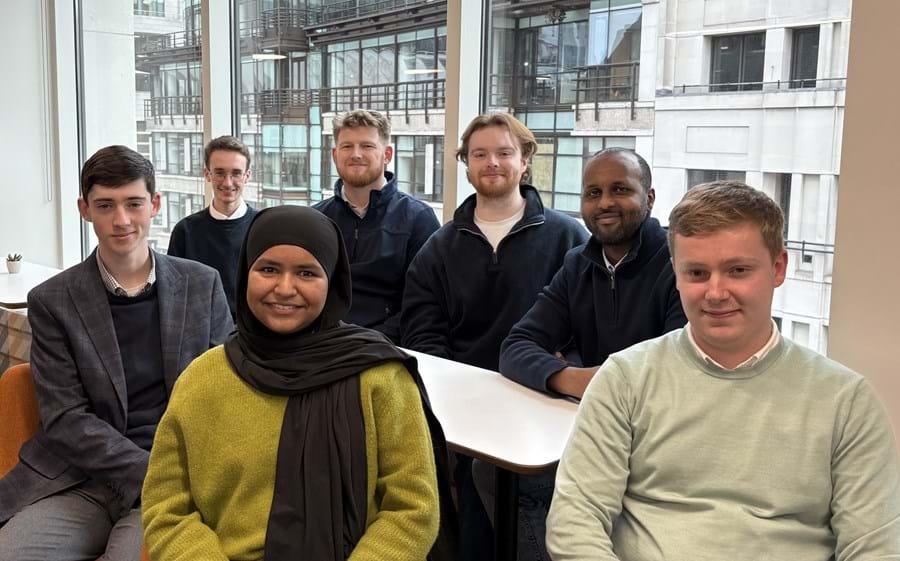
When catching up with Intermediate Engineer George Fall and apprentices Nasmin Manik, and Luke Barnett of chapmanbdsp, it is apparent there is a quiet confidence that runs through each of them. Clear drive, paired with steady maturity in how they talk about their work, their industry, and their future.
It is apparent that they, like many others, were pushed towards university courses at school. University was presented as the default option; apprenticeships, if mentioned at all, were often framed as a lesser choice. Several only discovered the route by chance, through careers fairs, government websites, or independent research. What they found was not a compromise, but an opportunity with countless benefits.
What sets their experience apart is not simply the absence of student debt or the presence of a salary, although both matter. It is the immersion in real work from day one. The apprentices at chapmanbdsp talk less about theory and more about real life experience; drawings, site visits, coordination, meetings and problem-solving. “I have first-hand experience learning how buildings are actually designed, negotiated, installed and delivered as part of a project team.” says Luke Barnett, Apprentice Electrical Engineer.
All were clear in outlining where their most-used skills come from: Communication, confidence, professional judgement and collaboration are developed in the workplace, not in a textbook! Learning how to disagree constructively in meetings, how to explain technical decisions to non-engineers, or how to spot the difference between good and poor installation on site are skills earned through exposure and responsibility.
George fall, Public Health Engineer explains, “there is a gradual shift from observing to contributing, and from contributing to leading. Over time I have been able to not just support projects but take ownership of elements of them.”
From a business perspective, chapmanbdsp recognise the importance of investing in young talent. Apprentices are given the space grow within the culture, while learning the standards and expectations of the business. “By the time I qualify, I will be not only be technically capable but deeply aligned with how the business and wider sector and industry works.” Comments, Nasmin Manik, Apprentice Electrical Engineer.
George, Luke and Nasmin describe how the foundation of trust built over years, not months. Having been supported through study, professional development and early career challenges, many choose to stay and progress within the business.
Equally important is the network apprentices begin building early in their careers. The building services industry is smaller than many realise, and relationships formed during apprenticeships often endure. Whether through colleagues who move on to other firms, professional bodies, or industry groups, apprentices quickly become part of a wider professional ecosystem that supports them throughout their careers.
“I believe the industry itself has a role to play in changing perceptions. At chapmanbdsp we visit schools to engage students and aim to have honest conversations about what engineering actually involves. It is so important to help widen access and encourage the next generation where we can.” Says George Fall.
When asked about the future, apprentices speak less about titles and more about personal growth. They want deeper technical knowledge, more responsibility, greater involvement on site, and the chance to mentor others coming through the same route. Some see chartership or further study ahead; others are focused on mastering their current role before deciding the next step.
It is apparent apprenticeships are not simply an alternative route into engineering; they are shaping a different kind of professional all together. Apprenticeships have given them clarity, confidence and direction. What unites them is a sense of momentum, they are not waiting to start their careers, they are already in them.